
Between now and the end of the year sits the most photographed stretch of your life: Thanksgiving dinners, office parties, family portraits, year-end celebrations. If you’ve spent the […]
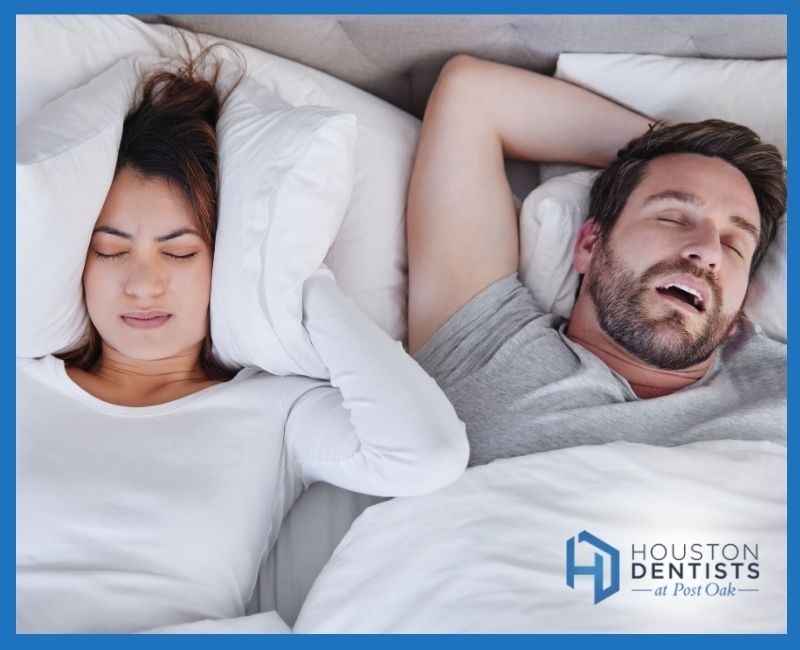
Your teeth keep a diary. You’d be amazed what they write down.
Patients come in for a routine exam and we’ll ask, “Have you been under a lot of stress lately?” or “Does your partner mention that you snore?” — and they look at us like we’ve been reading their mail. We haven’t. We’ve been reading their mouths. Grinding, clenching, airway problems, and chronic headaches all leave physical evidence on teeth, gums, and jaw muscles long before most people connect the dots themselves.
That’s actually great news. It means your dentist can often see these problems coming years before they turn into cracked teeth, ruined sleep, or daily pain. Here’s what we’re looking at — and what the clues mean.
The Evidence Grinding Leaves Behind
Most people who grind or clench their teeth do it in their sleep, which means they have no idea it’s happening. Their teeth tell us anyway.
Flattened, shortened front teeth. Shiny worn spots where enamel has been polished down by enamel. Tiny chips along the biting edges. Small notches near the gumline where teeth flex under clenching pressure. Scalloped edges along the tongue and a ridge of thickened tissue inside the cheeks. Jaw muscles that are visibly enlarged from working out all night, every night.
Any one of those might be nothing. Several together tell a clear story: your jaw is doing hours of heavy labor while you sleep. Grinding forces can far exceed normal chewing forces, and enamel doesn’t grow back. Left alone, bruxism leads to cracked teeth, failed fillings, sensitivity, and worn-down smiles that need major reconstruction to repair.
Caught early? Often the fix is as simple as a custom night guard and a look at what’s driving the habit.
Why Your Dentist Asks About Snoring
Here’s the connection most patients have never heard: grinding and sleep-disordered breathing frequently travel together.
When your airway narrows during sleep, your body works to reopen it — and one of the ways it does that is by tensing and shifting the jaw. Research has linked sleep bruxism with snoring and obstructive sleep apnea, which is why a mouth full of grinding damage makes us curious about your sleep.
We also look for other airway clues: a large tongue with scalloped edges, a small or recessed lower jaw, a long soft palate, chronic mouth breathing, and acid erosion on teeth that can accompany reflux — which itself is associated with poor sleep quality.
To be clear, dentists don’t diagnose sleep apnea; that requires a sleep study ordered by a physician. But we are often the first health professionals to spot the warning signs, simply because we look inside more mouths, more often, than anyone else. If your exam raises red flags, we’ll tell you plainly and point you toward proper testing — because untreated sleep apnea has been associated with high blood pressure, heart problems, and daytime exhaustion that no amount of coffee fixes.
 The Headache Nobody Traces Back to Their Bite
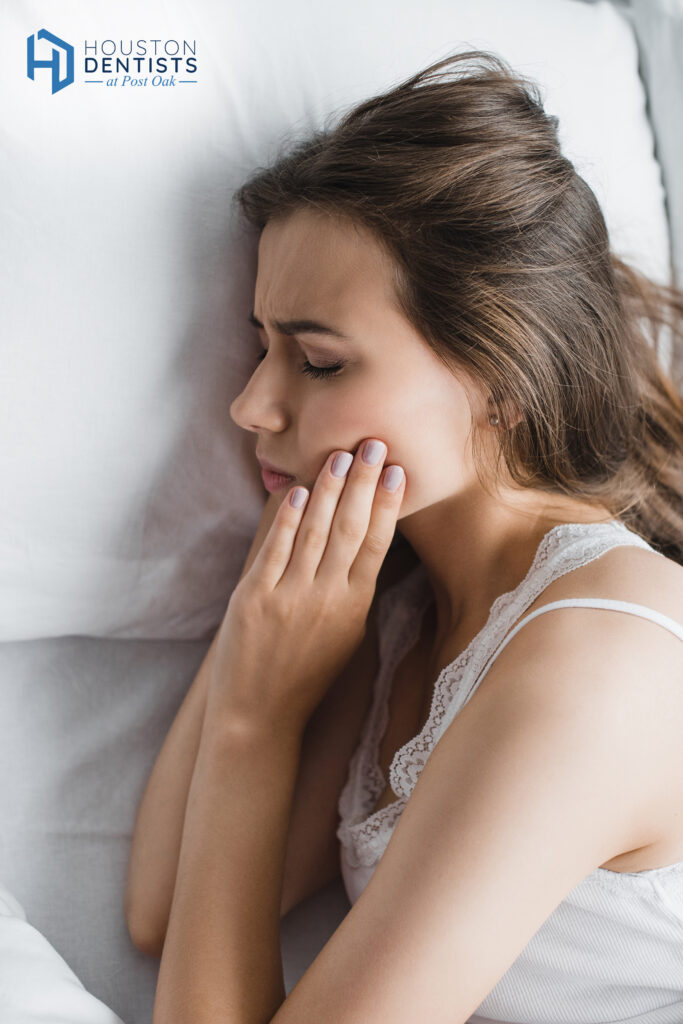
If you wake up with dull headaches around your temples, you’ve probably blamed stress, screens, or sleep position. Have you considered your jaw?
Clenching through the night puts sustained strain on the temporalis muscles — the ones fanning across your temples — and the chewing muscles along your jaw. The result is tension-type headaches that are worst in the morning and fade as the day goes on. Add in jaw joint problems (TMJ disorders) and you can get clicking, popping, limited opening, ear pressure, and facial pain that gets misattributed to everything from sinus trouble to migraines.
A bite that doesn’t come together evenly can keep those muscles working overtime even during the day. This is an area we pay close attention to at our practice: how the teeth, muscles, and joints function together as a system, not just whether each tooth looks healthy on its own.
“Patients are often shocked that a dental exam can explain their morning headaches or their partner’s complaints about snoring. But the mouth is the front door to the airway and the jaw system. When we look at how everything works together, the clues are all right there.” — Joseph Pigneri, DDS, LVIF, Houston Dentists at Post Oak
What We Can Do About It
Once we’ve identified the pattern, treatment is usually far more conservative than people fear:
- Custom night guards protect enamel from grinding forces and reduce muscle strain. These are precision-fitted appliances — not the boil-and-bite kind that can sometimes make clenching worse.
- Bite analysis and adjustment when uneven contact is overworking the jaw muscles.
- Restoring worn teeth to rebuild what grinding has taken, before cracks force bigger repairs.
- Referral for sleep evaluation when the signs point toward sleep-disordered breathing, with coordination between our office and your physician.
The common thread: small interventions now prevent expensive reconstruction later. A night guard costs a fraction of a single crown.
Frequently Asked Questions
How do I know if I grind my teeth at night?
Common signs include morning jaw soreness or headaches, teeth that look flattened or chipped, tooth sensitivity, and a partner who hears grinding sounds. A dental exam can confirm it — wear patterns on your enamel are usually unmistakable to a trained eye.
Can a dentist tell if I have sleep apnea?
A dentist can spot warning signs — grinding damage, a scalloped tongue, a narrow airway, chronic mouth breathing — but diagnosis requires a sleep study through a physician. Think of your dentist as an early-warning system that can flag the problem and point you to testing.
Why do I wake up with a headache every morning?
Morning headaches have many possible causes, but two that dentists see constantly are nighttime clenching, which strains the temple muscles, and sleep-disordered breathing. If your headaches cluster in the temples and ease as the day goes on, your jaw is a prime suspect worth ruling out.
Do over-the-counter night guards work for grinding?
They’re better than nothing for short-term protection, but they fit loosely, wear out quickly, and can change your bite or even increase clenching in some people. A custom guard made from impressions of your teeth protects more predictably and lasts years.
Let’s Read Your Diary
If any of this sounded familiar — the morning headaches, the snoring complaints, the chipped edges you’ve noticed — don’t wait for a cracked tooth to make the decision for you.
Schedule your exam with Houston Dentists at Post Oak.
Call us at 713-255-1029.
Follow Houston Dentists at Post Oak on Instagram @houstondentistsatpostoak