


Almost everyone has one — that nagging dental concern they’ve been meaning to deal with. A tooth that’s a little sensitive when you sip something cold. A filling […]

For many patients, the thought of a dental appointment sparks feelings of worry or even fear. This condition, known as dental anxiety, is incredibly common—and it can stand in the way of receiving essential care that protects your oral health and overall well-being. Whether it’s concerns about drills, needles, or simply the unknown, these feelings can make it difficult to schedule (or keep) your visits. But here’s the good news: with the right approach and the right dental team, dental visits can be stress-free, supportive, and even empowering.
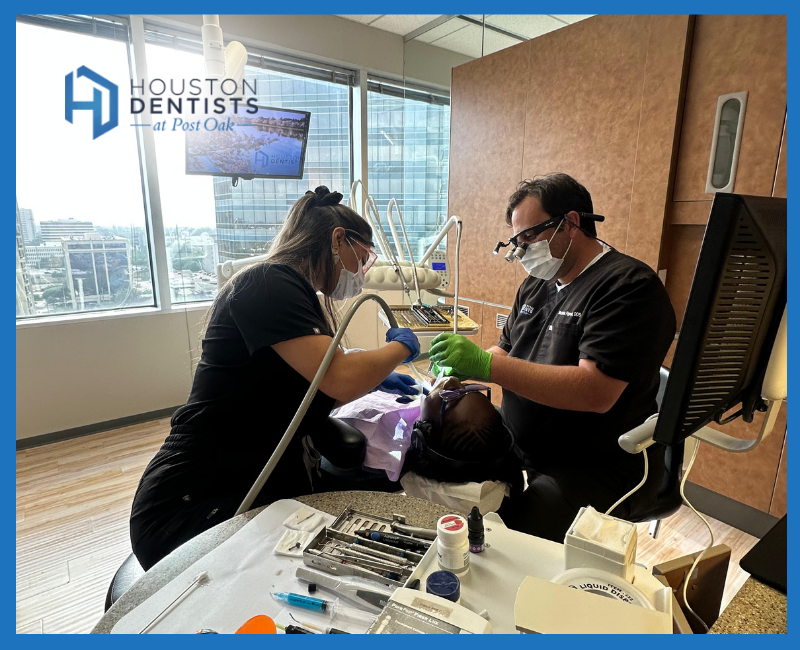
At Houston Dentists at Post Oak, Dr. Nicholas Pigneri and his compassionate team understand that every patient’s story is unique. That’s why they create a calm, personalized environment designed to ease fears and build confidence. “Our goal is to provide more than just dental care—we want every patient to feel safe, understood, and genuinely cared for when they walk through our doors,” says Dr. Pigneri.
For many people, going to the dentist is an unpleasant but manageable experience. For others, just the thought of going to the dentist causes severe anxiety, leading them to delay or avoid dental treatment. Unfortunately, this behavior can spiral into a vicious cycle of dental pain, health problems, worse anxiety, and more complex and costly dental procedures.
Dental anxiety and phobia
It’s very common for people to fear going to the dentist. When dental fear is severe and leads people to delay or cancel treatment, these individuals may meet criteria for dental phobia or odontophobia, which is included in the Diagnostic and Statistical Manual of Mental Disorders, Fourth Edition as a type of phobia. There are many different reasons for and triggers of dental anxiety. For some, they have had a previous traumatic experience; for others, they are extremely afraid of needles. Because the origin of fear can vary from patient to patient, it is critical that you identify your fears and share this with your dentist or another health care professional.
If you experience dental anxiety or phobia, here are some tips to ensure you maintain your oral health and receive comfortable dental care.
Prevention and the mouth-body connection
The best way to avoid complex dental procedures and pain is to regularly visit your dentist. Not only will your dentist diagnose problems and help you prevent future issues, but he or she will also help manage your oral health as part of your general health. Your mouth is the gateway to your body. For example, people with type 2 diabetes are more likely to have periodontitis, a type of bone and gum disease, which could lead to tooth loss. In fact, studies have shown that controlling diabetes can help control gum and bone health, and vice versa.
Managing pain
Many people fear the dentist because they are afraid of pain. There are several ways to manage this during and after dental treatment. Most commonly, dentists will use topical and local anesthesia. Topical anesthesia is a numbing gel that can help ease the insertion of a thin needle used to deliver local anesthesia. The local anesthesia will take effect within minutes, typically last for several hours, and numbs just the area that your dentist needs to complete the procedure. Furthermore, depending on the type of procedure, your dentist may advise one or more of the following to minimize pain and swelling after your visit: ice, oral rinses, over-the-counter pain medication (such as ibuprofen or acetaminophen), or prescription medication. Following these directions is critical to your recovery.
Managing anxiety
It is highly encouraged that you explore a combination of the following options to reduce dental anxiety prior to considering medications. Relaxation exercises such as focused breathing and meditation can successfully slow your heart rate and put you at ease. Many people find bringing distractions to the dental chair to be effective. Examples include headphones for music or podcasts, and a stress relief ball that can be squeezed with your hands to release tension during the procedure. Additionally, some patients find comfort in bringing a friend or family member to the appointment. Another approach, cognitive behavioral therapy (which is also used for other forms of phobias), aims to change both negative thoughts and actions. Consult your dentist or another health care professional to find out what option is best for you.
Medications to reduce dental anxiety
There are several ways that your dentist can help reduce your anxiety with medications through different levels of sedation. Your dentist may prescribe anti-anxiety drugs, such as diazepam (Valium), that you can take one hour before a scheduled dental visit. Your dentist may also recommend conscious sedation, such as nitrous oxide (or “laughing gas”), which can help calm nerves. You will still have control over your bodily functions, and this medication is applied only during the procedure. Lastly, general anesthesia, which puts you into a deep sleep, may be recommended for more invasive surgeries of the jaw, or for those with special needs or severe anxiety that prevents routine care from being possible. Some of these options may not be advised depending on your medical health, so be sure to tell your dentist about your health conditions and medications.

If dental anxiety has been holding you back from the healthy smile you deserve, now is the time to take the first step. Call us today at 713-255-1029 to schedule your appointment, or visit us online at Houston Dentists at Post Oak. For more insights, tips, and updates, follow us on Instagram @houstondentistsatpostoak.
Reference: [https://www.health.harvard.edu/blog/drills-needles-and-pain-oh-my-coping-with-dental-anxiety-2019121818475]