Almost everyone has one — that nagging dental concern they’ve been meaning to deal with. A tooth that’s a little sensitive when you sip something cold. A filling […]
You may be experiencing:

You may be experiencing:
Temporomandibular Disorder (TMD) is frequently misdiagnosed because its symptoms often mimic other conditions. Our practice utilizes specialized diagnostic tools to identify the biological root cause of your jaw dysfunction rather than just masking the symptoms.
Successful TMJ treatment begins with an accurate diagnosis. To treat TMJ accordingly, Dr. Pigneri invests in advanced imaging technology that goes beyond the capabilities of standard dental practices to ensure a comprehensive view of your oral health.
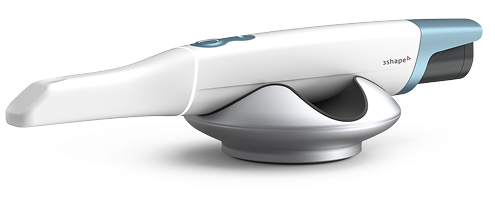
Provides high-precision 3D digital impressions for a detailed analysis of your bite and joint alignment.
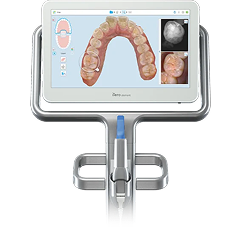
Delivers real-time, high-definition scans to aid in the precise planning and monitoring of your TMJ therapy.
A native Houstonian and Eagle Scout, Dr. Pigneri graduated from Strake Jesuit College Preparatory. Prior to becoming a dentist, he attended the University of Texas at Austin, receiving his Bachelor of Arts Degree in Biology. To remain at the leading edge of dentistry, he has received advanced training in Physiologic Dentistry from the Las Vegas Institute for Advanced Dental Studies. He was selected by his peers as a Houstonia Top Dentist in 2020 and 2021.
Dr. Pigneri is a Neuromuscular dentist, which is an area of dentistry focused on the proper alignment of the jaw. Dr. Pigneri uses his Neuromuscular dentistry background to treat pain and discomfort caused by TMJ permanently.

Get clarity on your symptoms and next steps.
Fresh Tips and News Straight from Houston Dentists at Post Oak

Almost everyone has one — that nagging dental concern they’ve been meaning to deal with. A tooth that’s a little sensitive when you sip something cold. A filling […]

Straight talk from Houston Dentists at Post Oak There’s a lot of dental “common knowledge” floating around — passed down from family, repeated on social media, and reinforced […]
Chocolate. Iced coffee. Late-night desserts. We all have our weaknesses. The truth is, enjoying sweets doesn’t automatically mean you’ll end up with cavities. The real issue is how often sugar […]
Discover exclusive specials and exciting updates from our dental practice. Join our newsletter and unlock a world of valuable information that's perfect for your oral health.